Reflecting: 212, Assignment 3

What. A. Semester. This semester has been the definition of a rollercoaster and so has this assignment.

The first struggle I came across was refining my topic. I knew I wanted to further research into Uni students and the friendships they have made but I was so interested in every aspect of it that I just didn’t know how to refine it. Then that is where I thought to write about how the different types of relationships formed at Uni are conducive to a positive student experience. I wanted to know the good that came out of meeting people at Uni.

I conducted and tweeted my survey around 3 times and replied to countless people who all said they did my survey. I got 30 respondents and I am more than positive I did well above more than 30 surveys but that is okay, we let that go.

I knew I needed more information from my primary research, so I made a second survey and sent it to people based off of what they answered in my first survey. I wanted people who were going to give me detail and were open enough to tell me more about their student experience. After the 8 individuals completed this, I had all the information I needed. Then I came across my next struggle, what the hell do I write about now?

GIPHY

I didn’t have enough information off of the different relationships that could form through Uni to write a piece about it, so this is when I came up with the idea to write about the benefits of making friends at Uni. And I finally had a question to answer, pat on the back for me.

If I could change anything about my process it would be to not do a survey. I think interviewing people would have helped me so much more, just getting straight to the detail instead of trying to get 100+ students to answer a survey where I don’t even know 98% of them.

I am, however, happy with the results and the final (finally*) question that I answered and the researching findings that came along with it. I actually really enjoyed reading up about friendships and seeing how everyone else in my degree are meeting people and what they think of the friendships they have formed. It has given me a sigh of relief as I have most definitely lacked in that area, but hey, I’m growing and learning.

Stay True, R.

Research Proposal: Uni Students and Lasting Relationships

For this semester, I will be researching into Uni students and lifelong relationships, whether that be a friendship or something a little more. What I want to find out is, whether or not students are connecting with their peers on a personal level and are forming lasting friendships. I want to research into how other students met their current Uni friends. Was it in a lecture, sitting in a tutorial or simply fate bringing them together by randomly crossing paths?

A young woman named Rachel is currently blogging her life experiences and she wrote a post about how she didn’t make any close friends attending Uni. Reading her weigh up all the possible solutions as to why this occurred, it begins to make me wonder, why are some people failing to make friends while others seem to find it easy?

Furthering on this point, Year 13, a very well-known organisation amongst most Australian students published a post by Genevieve Miller, who was an Australian Uni student. In this post, similar to the one above, she spoke about by the end of her first year she hadn’t met anyone that she would consider a ‘close friend’. “People will tell you that Uni will be this amazing experience where you’ll meet tones of people who will be there for you till, you’re old and grey.” This point is quite intriguing to me. Should we leave the stigma of University helping students make lifelong friendships behind? Why? This article also helped me to realise that my research topic is timely as the primary research conducted will be on second year and above students.

My idea for this research is, to begin with whether or not students knew people before starting their uni course. This, to me, has such a major effect on a student’s experience and can create such an issue among peers. I created a poll on this question.

The results of the poll interest me and I am very excited to further dive into whether or not knowing people or having friends start Uni with you positively or negatively affects Uni students making lasting connections.

Coming up with this research topic, a thought did come into mind, so much of our content that we need is online, is this affecting whether or not students are personally connecting with each other? In 2020, The Conversation uploaded an article about online lectures and a point was made that University not only teaches students content but it also teaches students how to communicate with each other and work in groups. This article has shown that my research topic is relevant as being online is a huge part of being a student in the 21st Century. The rate of online schooling continues to increase daily, especially through this pandemic that students and the world population are working through right now, proving again that this topic is relevant.

Another article on The Conversation about University campus experience, discusses the life of Australian students and a point made was “Students also indicated they were less engaged with their peers than students in the past have been”. This not only shows the relevance of my research but also affects my research topic greatly. If students are not engaging with their peers, then this is a major issue as to why some students are not creating lifelong friendships and connections.

I believe that my research topic is achievable as I have access to asking relevant students the right questions. These students are all second year and above, who are studying the same subject as me, so therefore this makes my research not only achievable but also relevant. These students have gotten a good feel of what their Uni experience will be like and know what they need to change or keep the same when meeting people.

I believe this topic is worth researching, not only as this is something that interests me, but it will also be important for current and future students to learn about Uni and lifelong relationships. We are constantly being told, “follow each other on twitter”, or “create a poll for your fellow peers”, but this isn’t helping students connect on a deeper level, or maybe it is. That is what I want to find out.

Deakin University, in 2018, wrote about meeting people and making friends and the article states that students must be open minded to meeting people in order to form these friendships, which brings me to another question, were students looking forward to meeting new people or was studying the only thing on their mind?

To sum up this research proposal, I simply want to learn as much as I possibly can about students and lifelong relationships. The overall idea is to find out how they are meeting, what type of connections are they making and what are factors that are influencing the relationships they are making?

Be Kind, R.
My Curiosity: Are People Connecting?

Every uni student has a different experience, even if they are completing the same degree. One aspect of uni life that I am extremely interested in is whether students are making life long friendships and connections.

During the completion of this media degree, we are asked to tweet, upload, create an online presence but are the students of this media degree making friends and life long connections? This idea is very close to my heart as connecting with people, making friends and potential partners is something that has always interested me. I love to know how people interact with each other, how 2 people met or even how a friendship group was formed.

An article written on The Conversation based around the changing experiences of campuses looks into Australian campuses. In this study, the writer discusses how Australian students spend more time studying at home rather than on campus and how students are spending less time with their peers than other students were years ago. I want to further on this research and find out why this is occurring and whether it is affecting students making life long relationships.

To complete this study, I will further research articles about Australian students life, on and off campus. Also, by conducting a survey to find out whether or not UOW Communication and Media students feel as though this degree is hurting or helping them meet people. This way, my study and research will be relevant to UOW and current Australian students.

Be Kind to Yourself, R.

My Curiosity – Connecting

How many meaningful connections do you think you have made in your life? This is something that interests me.

Maybe who you sit next to in class or the library, or walking a certain way to a lecture determines whether or not genuine connections are being made.

This semester, we need to find a focus on what we are curious about and last week I tweeted about what I want to focus on this semester.

I should’ve worded it differently, but we will move on from that. What I want to know is, whether people are making connections in real life, despite being in a media degree. I want to know if people are making friends, and not just a ‘oh yeah I know them’ friend, I want to know if people are making life long friendships and connections.

I am not someone who is half half, once someone knows me, they know all of me which is why I make, what I like to consider, soulful connections with the friends I have. Furthering on this point, I want to know if other students have struggled with connecting with people, and why they think their answer is what it is.

I want to know if people are being brought together through their media study, rather than staying behind a screen. Are we surrounded by these other specific students for a reason? What are things that are bringing people together and is there genuine connections being made?

I guess you never know the connections that are pending.

Only From The Heart, R

Making – Project Five

Despite the fact that this post is meant to be about the ‘making’ of ‘Project Five’, this area of the DA is where my group failed to actually create content. So, instead, I have decided to talk about the lessons I have learnt when it comes to making a DA and group work.

Before I get into the lessons learnt, ‘Project Five’ did establish a certain type of aesthetic in videos. These were as follows:

you get the idea …

When it came to making content in a group, the main struggle is to make sure everyone is in love with the idea and has enough enthusiasm to create content. The reason for this being that this degree is very self directed and so no teacher is going to be on your back about it. If nothing is made, that’s on you.

Having this DA being about a specifc type of content, made it difficult to ensure all five of us were on board with that weekly idea. On top of this, meeting up with the five of us there was another struggle and learning curve I came across.

Having communications and media being part of my double degree, I have a passion for this subject and also this DA. As other group members do not feel the same way, it was hard to constantly have this on the back of my mind as I wanted to be creating content but felt as though I couldn’t.

In summary, this semester has taught me a lot about myself, and about how different everyone’s outlook and characteristics are. Next semester, I think I will be coming up with a DA of my own so therefore I don’t feel the need to rely on other people for content.

– R.

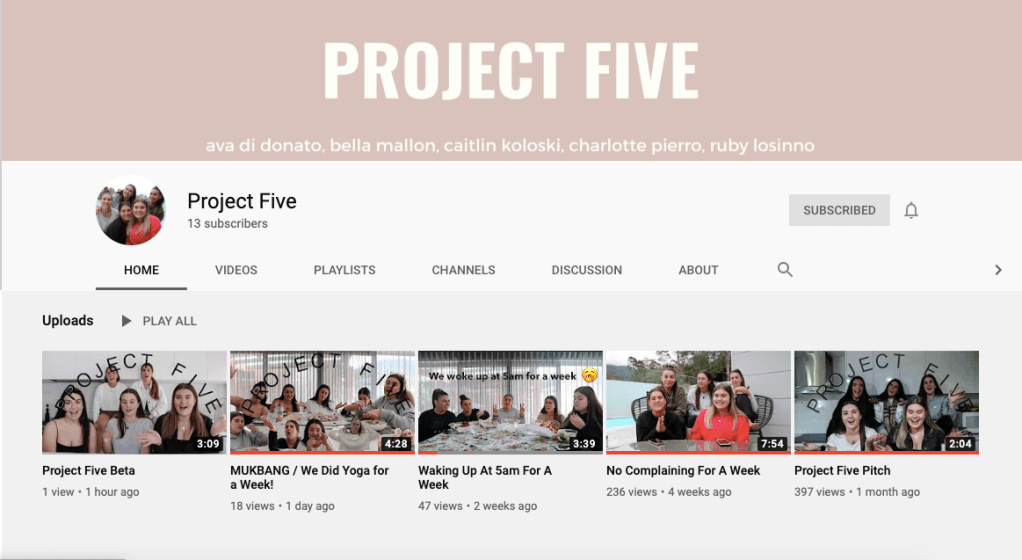
Project Five

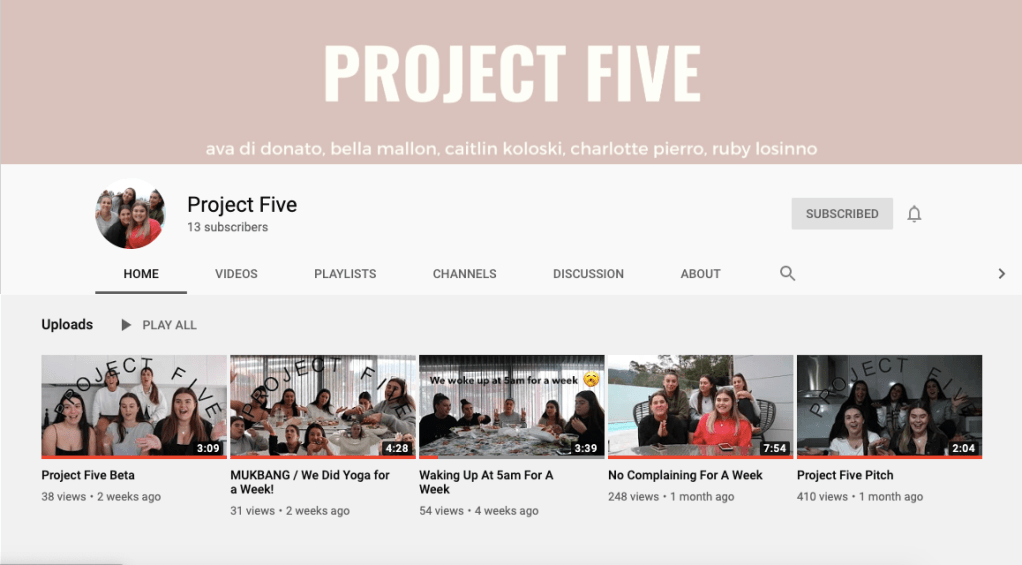
My digital artefact is a YouTube channel with four other BCM 114 students who are; Ava Di Donato, Caitlin Koloski, Charlotte Pierro and Isabella Mallon. We developed this project because we wanted to try do little things each week to improve our happiness and hopefully inspire our audience of adolescents to begin to concentrate more of their life improving their happiness. Based on my twitter feed of the #bcm114, I have noticed that students easily access YouTube accounts over Instagram and other platforms, as videos can be engaging and easy to watch which is the reason as to why we chose to use YouTube as our platform. Personally, I thought this would be useful for our audience as they are able to watch videos of us instead of reading something in detail. 

Together, we decided we would develop this project by vlogging individually our challenge that week. At the end of the week sit down together to film about how our week went and whether or not our happiness levels increased.

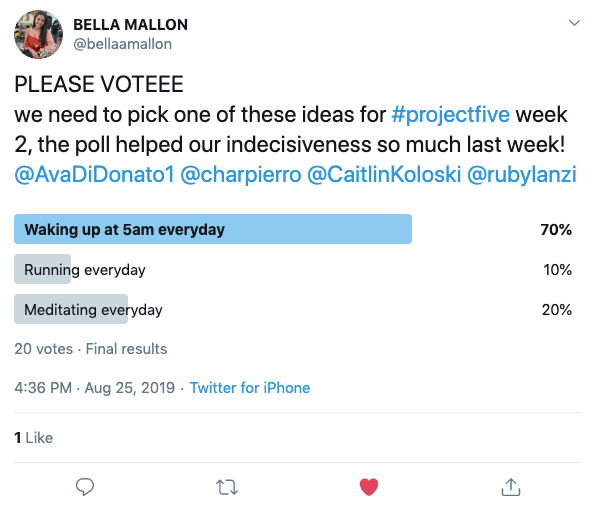
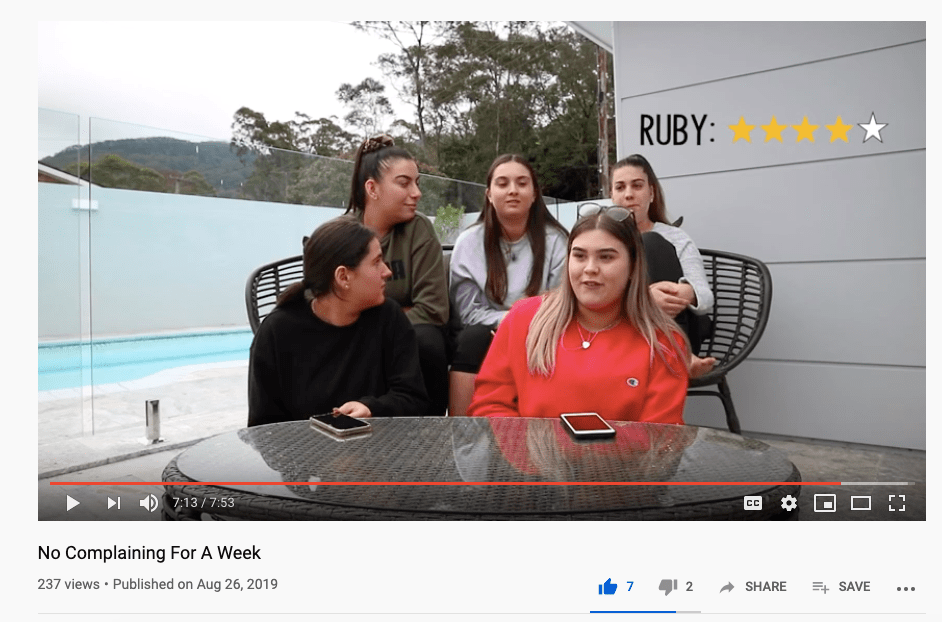
The first thing I did was put a poll on twitter asking students what video they would like to see first. ’No Complaining for a Week’ won and so we begun filming every day for five days then sat down and filmed how our week went. 

This video was probably our best video made as the five of us were all very enthusiastic about the project and we took the video seriously by doing the challenge properly. It was also pretty much the only video of which we advertised

We spent roughly 3 hours filming and editing the video when we were together which was pretty time efficient. However, the feedback we received was to shorten our videos.

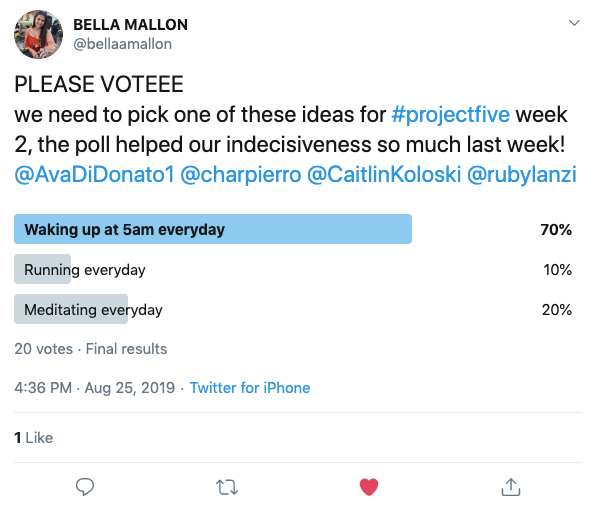
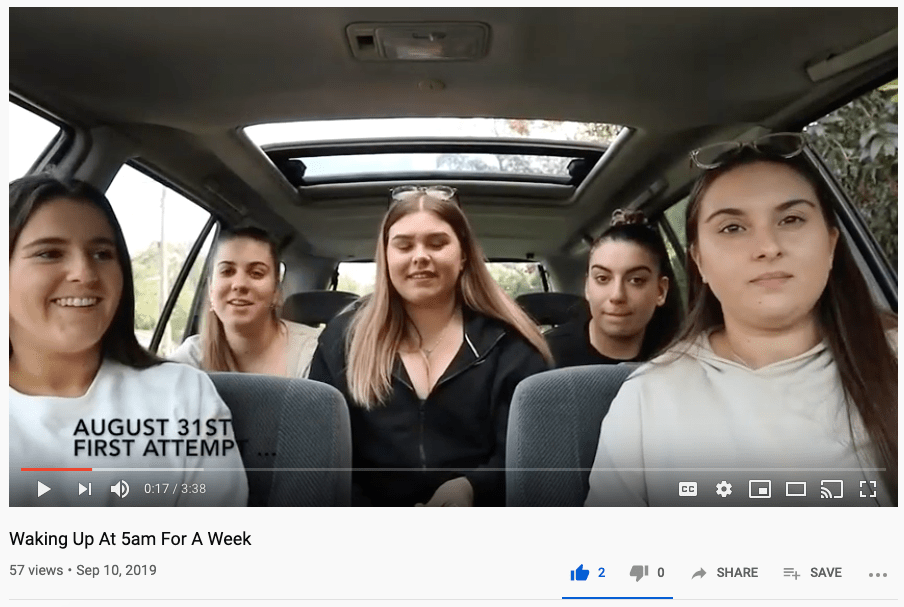
The second video we attempted was waking up at 5am everyday for the week. 

During this video, some of us failed to do the challenge on some days. This is where we came upon our first problem which was that the video was too boring if we tried to shorten it. This took out 2 weeks of our time, re-filming and re-editing, to ensure the content we put out was not boring. 

The end video we were not proud of. Our viewers suggested we try add in special guests into our videos which we failed to attempt. 

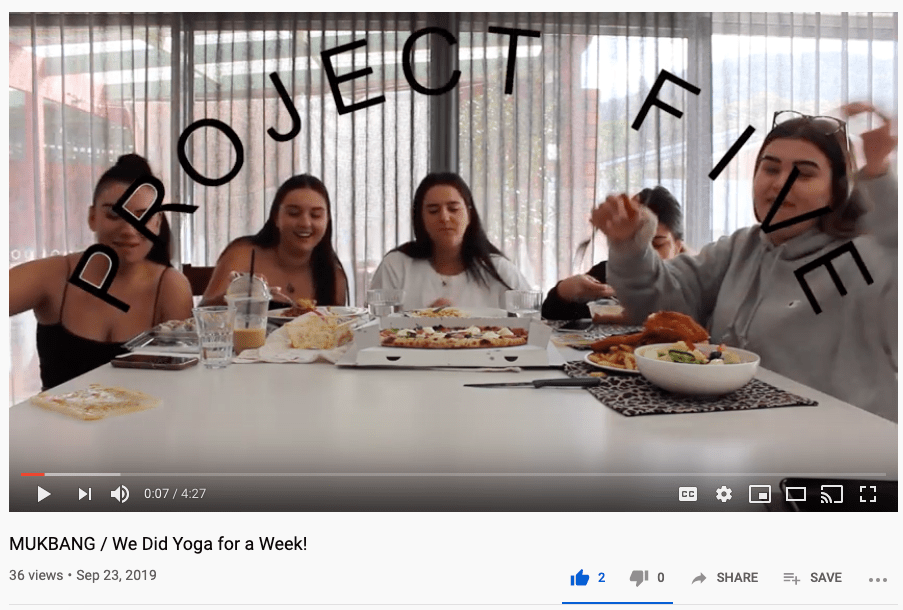
The third video we filmed was doing Yoga for a week. This video was the biggest mess by far as only 3 group members completed the challenge so when filming all together we noticed no enthusiasm and an extremely boring video. However, we tried to act enthusiastic and uploaded a video anyway. 

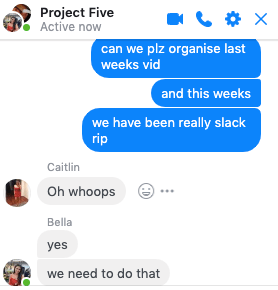
After we noticed a lack of enthusiasm, we stopped coming up with ideas because the five of us stopped making time for each other and some of us forgot about the project as a whole. I spoke to my tutor, who told me that not all 5 of us needed to be in the video. 

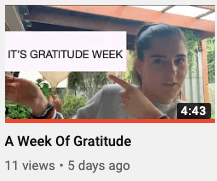
Therefore, the next week, Isabella and I, decided to film a ‘gratitude week’ where we vlogged everyday and put our videos together so that our project had some content to it.  This video, I realised the enthusiasm came back and made the video more interesting.

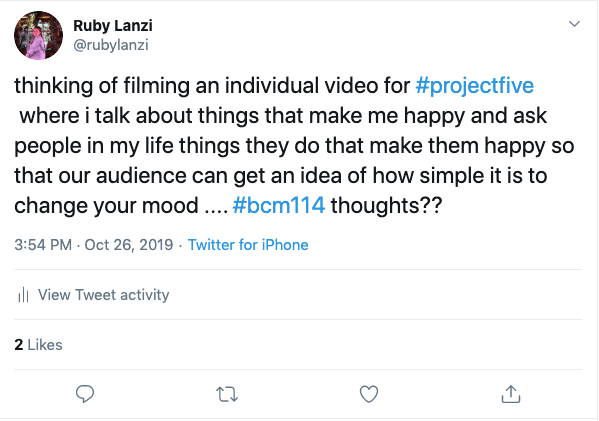
I was planning on filming an individual video where talk about things that make me happy, and asking friends and family what they do to make themselves happy. This video never came about due to lack of time as I found out too late that we could upload individual videos (not that it was a problem, just the timing was off).

That concludes Project Five. Next semester when I do a digital artefact, I have learnt that I will be branching away from group projects. The main reason for this is that during this semester I found a true passion for this course and am excited to see where it takes me in the future. In saying this, I don’t want to be part of something that may hold me back from what I am capable of creating. 

Until Next Time, R.

PROJECT FIVE – PROTOTYPING

Project Five is a YouTube channel, run by five friends, aimed to help improve ones happiness.

project five

Through this prototyping stage, we have experimented with many factors of our channel and ended up with ideas that are completely different to the original.

youtube channel

Since the filming and uploading of our Beta, there has been no work gone into project five which is something that I have been struggling with. However, with the videos we have filmed, I have noticed the difficulty of ensuring the group is enthusiastic.

As the five of us struggle to come together as a group, we have come up with the idea to upload videos in a different schedule. We are now going to try each group member uploading a video/vlog of their own, to improve their happiness, whenever they want. This way, group members won’t feel the pressure of needing to be in every video, our viewers will have more content to watch and we, as a group, can get a feel of what our audience demand.

Although I would like to be in a different stage of this digital artefact, so far project five has helped me to learn more about group work and what it truly means to be part of a group.

This project is something that I would absolutely love to put my whole self into and hopefully with trying out this new uploading schedule I will be able to do so and create a true following.

Be Kind To Yourself, R.

Project Five Beta

Project Five has been up and running for five weeks and we honestly have never been more lost. 

During the first week, we put a poll on Twitter to ask what challenge to complete and ‘no complaining for a week’ won. So, for the next five days we spent filming snippets of our days then came together at the end of the week, sat down and filmed our happiness level.

twitter poll for the first week

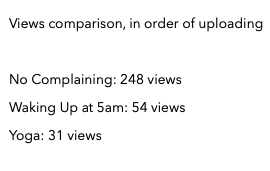
We received feedback that the video was too long. Trying to cut down the length of our videos was really were our project began to go downhill, as this shorter video we found boring. Trying to make this video better took out 2/3 weeks of our time. This did improve the entertaining side to our videos however, views have declined due to us no longer promoting our videos (where we are also failing).

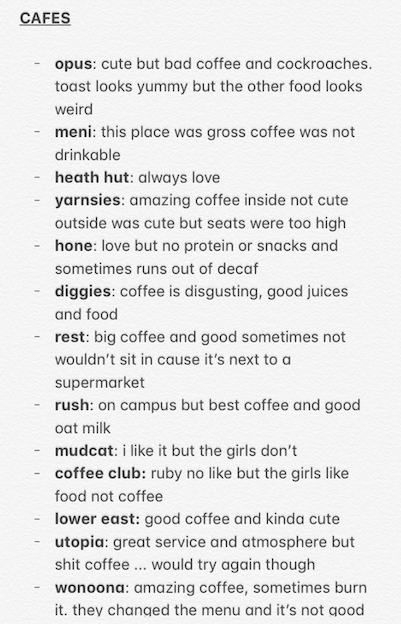
We then came up with the idea to change our idea completely. We could review cafe’s around Wollongong as this is something that we do often but we were unsure about whether we should change our idea so late into the semester.

our cafe ideas

The next video we uploaded was the five of us attempting yoga, but due to most of us not participating throughout the week, this video was unenthusiastic and quite boring. We find that we still are not putting out the content of which we are 100% proud of. To improve this, we are going to try to bring in special guests into our videos. 

Something that I’ve struggled with over the last few weeks is getting the whole group together. Not everyone is putting in the effort of which this project requires. Continuing this thought, this lack of enthusiasm is showing in our videos.

Personally, I think we should change our idea and try something new. 

Until Next time, R. 

Khalid: The Voice of Teens

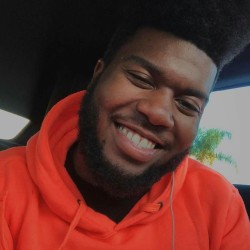
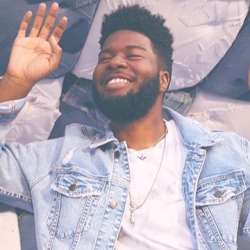
Khalid is a well loved and well known artist among young individuals all over the globe. He is a very popular R&B artist who has not only written and sung many of his own songs but has also been a part of many collaborations with other artists that relate to a lot of societal issues.

google images

After his debut of his ‘American Teen’ album he was seen as the voice for all teens, an article continues on this thought:

“Now that it’s a platinum- seller, the 10th-biggest album of 2017 in the US, he’s become the latest to be saddled with the “voice of a generation” tag.”

google images

After the release of his song ‘Young, Dumb and Broke’ he was seen as an icon for teenagers as he understood the struggles of being a teen in the 21st Century but the problem was .. he is no longer broke and is exiting his teen years. So, now what will he bring to the table?

In a collaboration with Logic and Alessia Cara with the song 1-800-273-8255. This song is probably one of the most powerful songs to have come out, beginning with the title being the American Hotline for Suicide Prevention. This already showing a major societal issue and spreading awareness.

YouTube.

“I love the message of the song. It’s important and it’s not talked about enough within my society and my peer group, as a creative, it’s something I definitely have. I suffer from anxiety, moments of depression. I’m in my head so much and I’m thinking so much, I’m playing a tug-of-war within my mind.”

For an artist who is so highly looked upon among young adults all over the globe to be singing, preaching and understanding mental health issues truly shows just how powerful music can be. It shows how much music affects society and the messages portrayed in such music have a ripple affect.

Khalid, in a more recent interview spoke about is newest Album ‘Free Spirit’ and how his inspiration for that album was Frank Ocean. Ocean is a more hip hop artist and here we can see, cultural appropriation. Having Khalid getting his inspiration from other genres and artists shows his ability to expand his mindset and writing styles which can appeal to a broader audience.

Khalid’s instagram

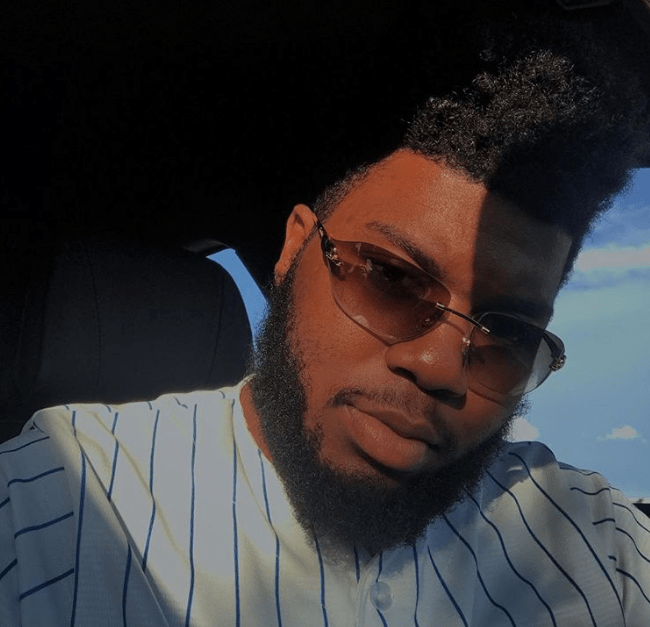
Cultural appropriation is where a member of one culture adopts elements of another. Expanding on this, Khalid has had many articles written about his music but another aspect of his life that they appear to be attracted too is his fashion. Fashion is a major part of our ever-changing society and Khalid has managed to adopt parts of other cultures into his fashion and branding. An article found, talks about his ‘athletic’ clothing style.

“We’re loving this sun-drenched shot of Khalid rocking a simple, slick baseball jersey. Pinstripe and classic breton stripes are big news this year, and the singer is bang on trend with his athletic spin.”

google images

Having this aspect to Khalid shows the cultural appropriation of his brand and name. His clothing is inspired by sporting and his music is inspired by other genres which is where he is localising societies.

Stay True, R.

Ideating – Project Five

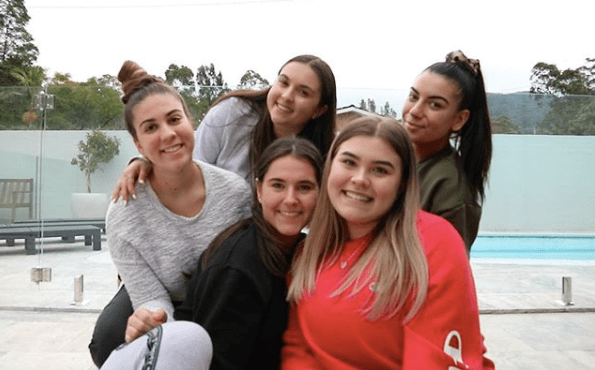
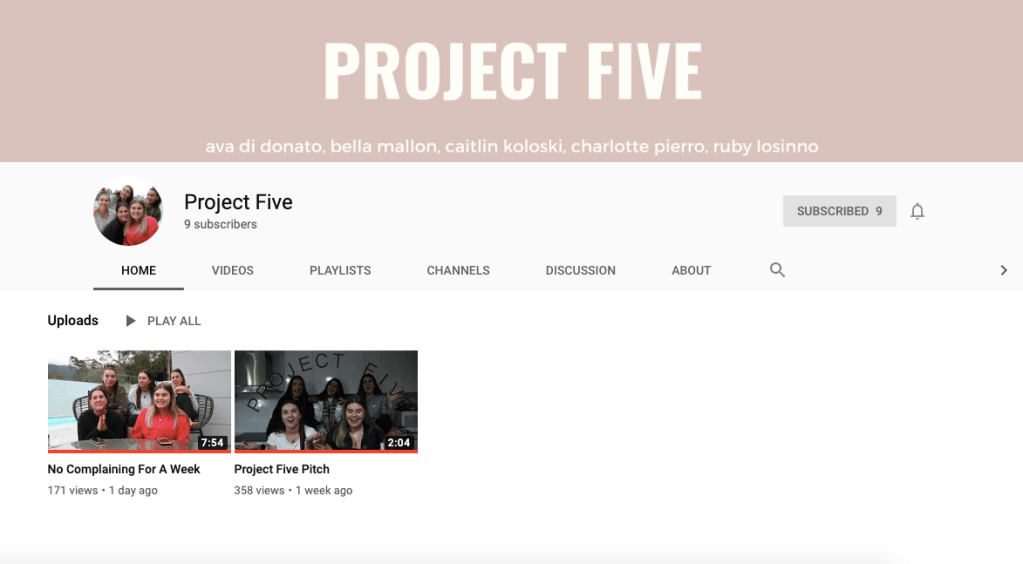
Project Five is a YouTube channel run by five friends who are; myself, Ava Di Donato, Isabella Mallon, Caitlin Koloski and Charlotte Pierro. This channel is dedicated to improving our happiness and entertaining young adults.

our channel.

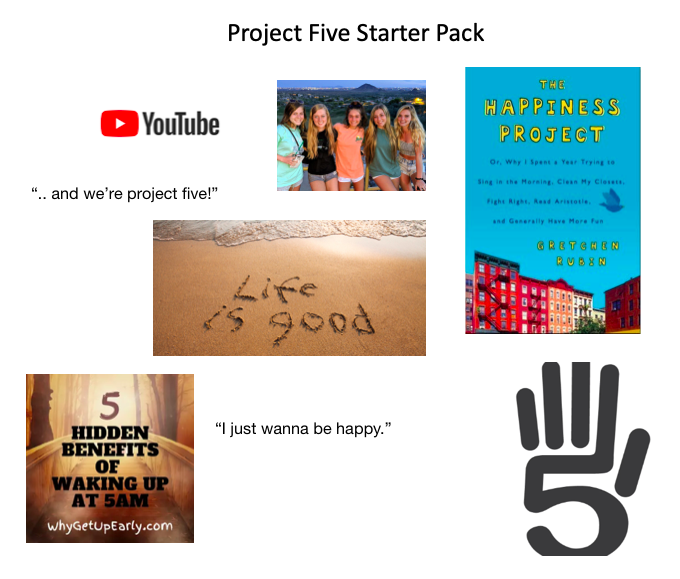
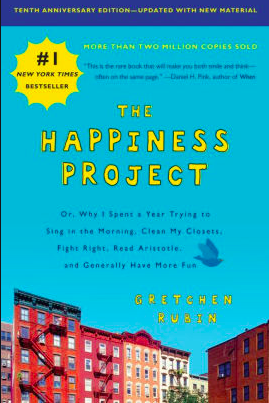
The process of ideating this project stemmed from the book ‘The Happiness Project’ written by Gretchen Rubin. Rubin realises that she wants to create a more happier so her idea was to pick an aspect of her life and month by month slowly change that aspect of her life (example: her relationship, work life, family etc) by making it more positive. Her goal was that by the end of the year to be an overall happier individual.

the book: the happiness project

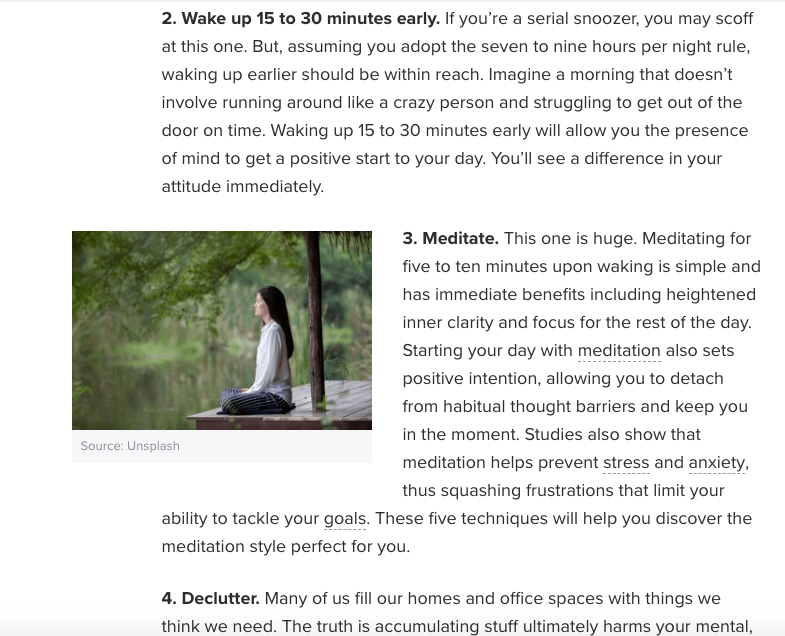
Therefore, for our DA we thought to manipulate this idea to fit our own vibe. The first step we completed was to come up with what we would upload on our channel. In this process we decided to google ‘things that make you happier’ and use those ideas for weekly challenges to test and see if they actually do make people happier.

psychology today: https://www.psychologytoday.com/au/blog/radical-sabbatical/201707/13-easy-ways-be-happy-every-day

After this we needed to decide how we would curate these videos which is where we discovered to vlog 10 seconds of our day throughout the week, Monday – Friday, then come together on the weekend to film and talk about our overall week and rate our happiness.

We came up with the name ‘Project Five’ as there are 5 of us and we are doing a challenge for 5 days of the week.

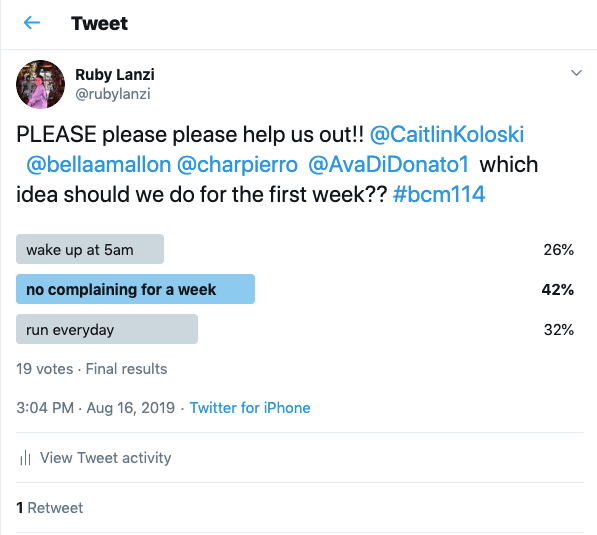
Then it was time to begin our DA and start filming and editing. I put a poll on Twitter asking other BCM students what they would like to see us accomplish for the first week.

my twitter

As you can see, by 42%, no complaining won and therefore we started our week. We filmed Monday – Friday, got together at the end of the week and before we knew it our first video was up and live. Last week was definitely a challenge as having to remember to film plus collecting everyone’s videos was probably the biggest issue we had which was an easy fix.

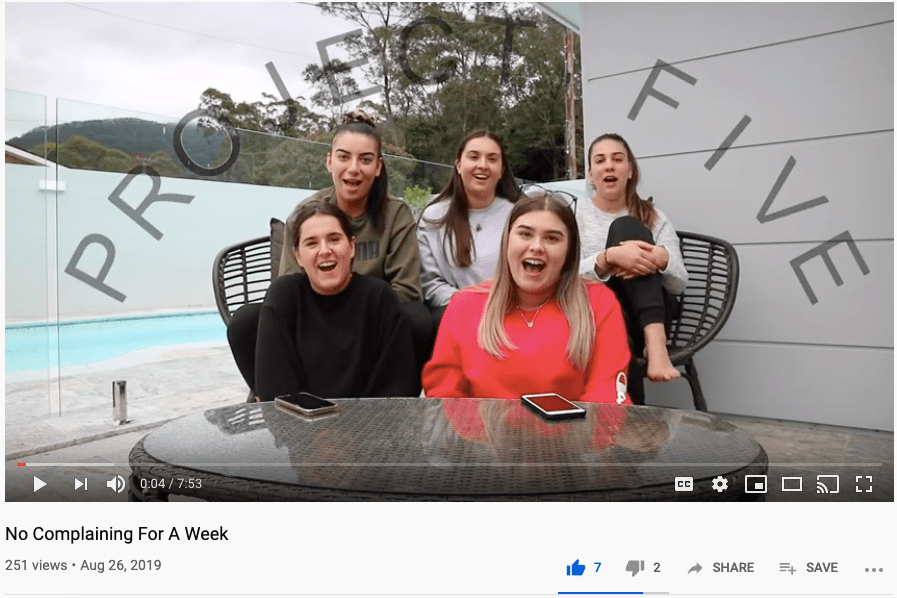
first video – project five

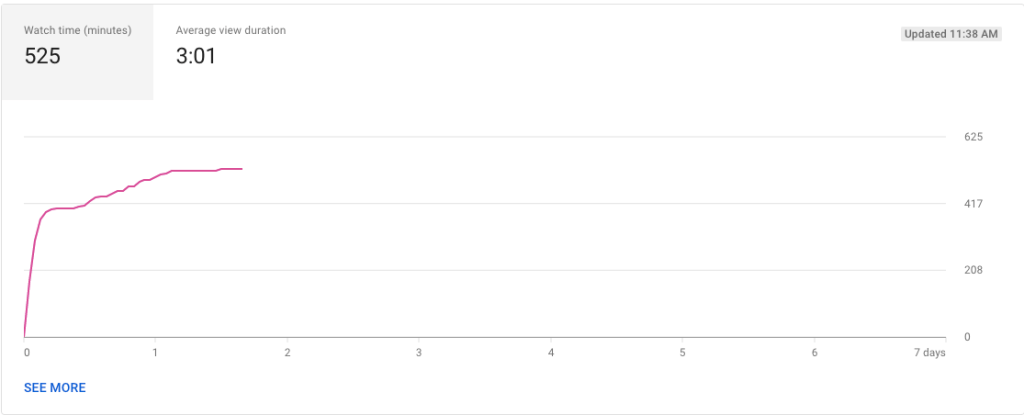
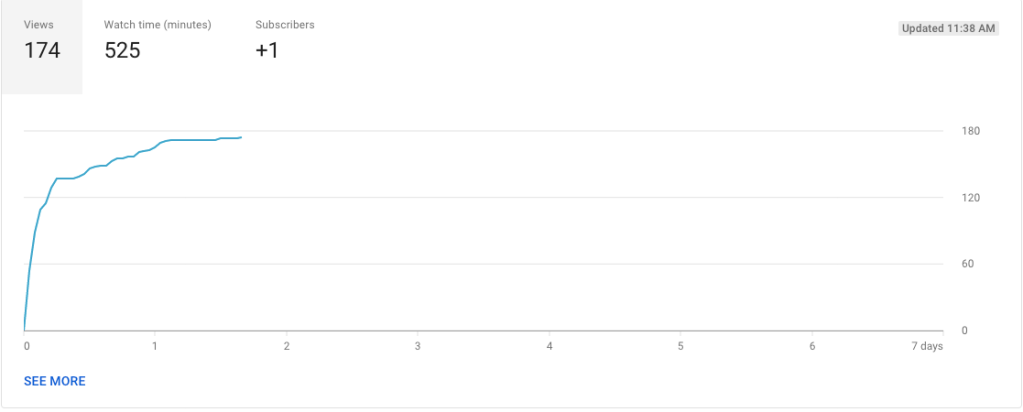
After uploading this video, we are now able to learn and improve upon our editing, filming and overall channels aesthetic. We have come to the conclusion that along with the weekly challenges, we will also film in different ways to keep our audience entertained. After looking through the analytics section on our channel, viewers seem to click off the video around the 3/4 minute mark, meaning they prefer our vlogs over us sitting and talking. We will change this by talking about our weeks through drive with us, mukbangs and so on.

analytics.
analytics.

Hopefully, by the end of this semester we will have a more engaging audience and have discovered how to entertain young adults in our own way.

Until Next Time, R.