Research Pitch

This semester for my ethnographic research, I will be researching into journaling and diminishing the stereotype around ‘journaling is for 12 year old girls’.

It has come to my attention that many academics find there is so much to gain from a journaling journey. Journals keep one’s mind working and always thinking and reflecting. It helps one to not only remember and understand their life as a whole but also helps students remember important information that they need. It extends an individual’s self-awareness which is a great way to improve your quality of life.

Also, the benefits of journaling are incredible. Once you remove the stigma of what you think journaling is, you will slowly see your life improve once starting a journaling journey. Although there are countless mental benefits, there is also so many physical benefits which even include boosting your immune system.

As my main method of research is participation observation, I am fully aware that a bias end result may occur. To lower the risk of this in my final findings, I will be comparing my results in the participation to secondary research of scholarly articles and other sources. Not only this, as I will be asking fellow students and online participants poll-based questions for my quantitative data, this will be done in hopes to balance out the bias in my final result.

Every answer will be anonymous, besides my personal experience as I truly want the end result of this research to reflect the raw emotions that journaling is all about. If no emotion come about through this research, I still would like the end result to have a personal feel to it as I find journaling to be such a personal journey.

This is why I have decided for the Digital Artefact to be a blog post. When I write and read blog posts, I feel as though it is a time for the writer to truly connect with their audience and that is the whole purpose of this research. As my original media niche is wellbeing/lifestyle influencers, they share their personal life to their audience just like I want to mine. If I think my findings appear to not be portrayed correctly as a blog post, I will consider other options such as an audio log or YouTube video.

Until Next Time, R.

References

Tank, A., 2020. This Is How Journaling Can Make You A More Effective Leader. [online] Fast Company. Available at: https://www.fastcompany.com/90423383/the-benefits-of-journaling-for-leaders <Accessed 28 August 2020>

O’Connell, T, 2011, The Case of Reflective Journals: Is the jury still out? [online PDF download], Research Gate. Available At: https://www.researchgate.net/publication/232947360_The_case_of_reflective_journals_Is_the_jury_still_out <Accessed 28 August 2020>

Purcell, M, 2020, ‘The Health Benefits of Journaling’, viewed 19 August 2020, < https://psychcentral.com/lib/the-health-benefits-of-journaling/ >

Daymon Christine and Holloway Immy (2011) ‘Ethnography’, Qualitative Research Methods in Public Relations and Marketing Communications. Routledge: New York. viewed 19 August 2020


My Media Niche

My media niche is health and lifestyle vloggers, influencers or Youtuber’s.

When I say health and lifestyle, I specifically mean individuals who are ‘well-known’ for vlogging their day to day life, their health and fitness journey and even their mental wellbeing. Examples of the individuals I follow and watch are Sarah’s Day, Chelsea Rocca, Charlotte Freeman and Tayla Damir. These individuals all have something in common, they live each day trying to improve their mental and physical state and that is something that highly intrigues me.

https://www.youtube.com/channel/UCAHufvd02viJSRdt3ojdPOg
https://www.youtube.com/channel/UCWSksWN12Y997XdmcqVrQTg

However, when it comes to my ‘personal media niche’ mental wellbeing is what interests me most. Having a focused and positive mindset is something that every individual struggles with throughout their life and so with my media niche, I want to focus on mental wellbeing and how to maintain it as such. I would like to do this by experimenting with journaling.

https://linktr.ee/chelsrocca

In the past, I have never been one to journal religiously. I always thought it was for people with big secrets who wanted to talk about their day or someone who has a big crush. Nonetheless, research has proven that journaling increases ones mental health. I want to learn about journaling and help others learn about it too. Find out the truths, deception and most importantly the outcomes of being someone who regularly journals.

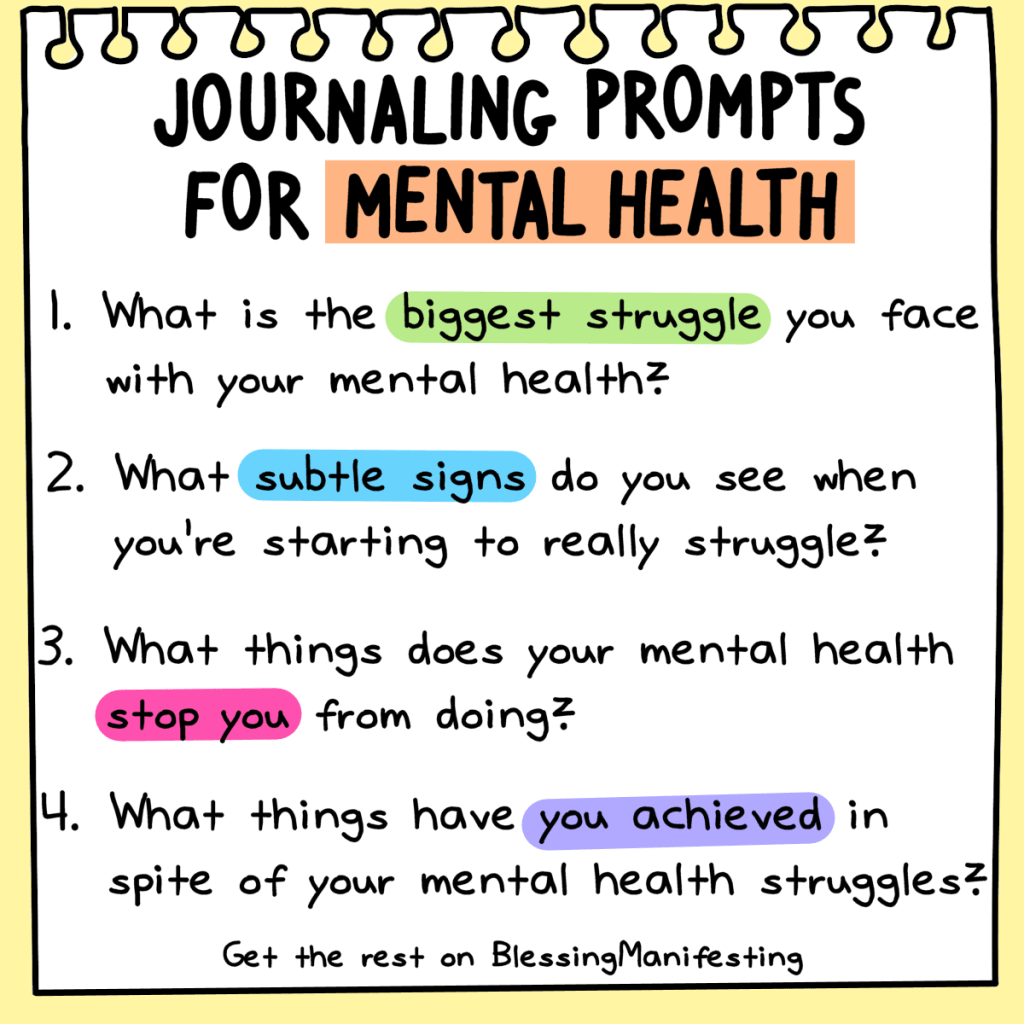
“Journaling is simply writing down your thoughts and feelings to understand them more clearly.” When researching into the benefits of journaling, the outcomes seem to be tremendous. Controlling and understanding your feelings, finding your sense of self and lessening mental disorder symptoms such as anxiety and depression. “It can make us more aware and help us detect sneaky, unhealthy patterns in our thoughts and behaviours.” This then makes us more aware of our life and enhancing our ability to control our quality of life.

https://www.blessingmanifesting.com/2018/07/12-journaling-prompts-for-mental-health.html

Journaling appears to be its own culture and experience away from any other. There are all different types of journaling such as bullet journaling, food, travel, dream, writing and many more. All of which seem to have a positive outcome. Hayley Phelan states in a New York Times article that journaling is one of the best ways for self-care and also one of the cheapest. Setting aside 5 – 15 minutes a day to journal, ask yourself hard hitting questions, google journal prompts or writing about how you felt that day has proven to enhance thousands of individuals mental wellbeing. It is genuinely helping people.

Writing your feelings, asking yourself specific questions and writing down the answer can enhance your mental wellbeing? Count me in.

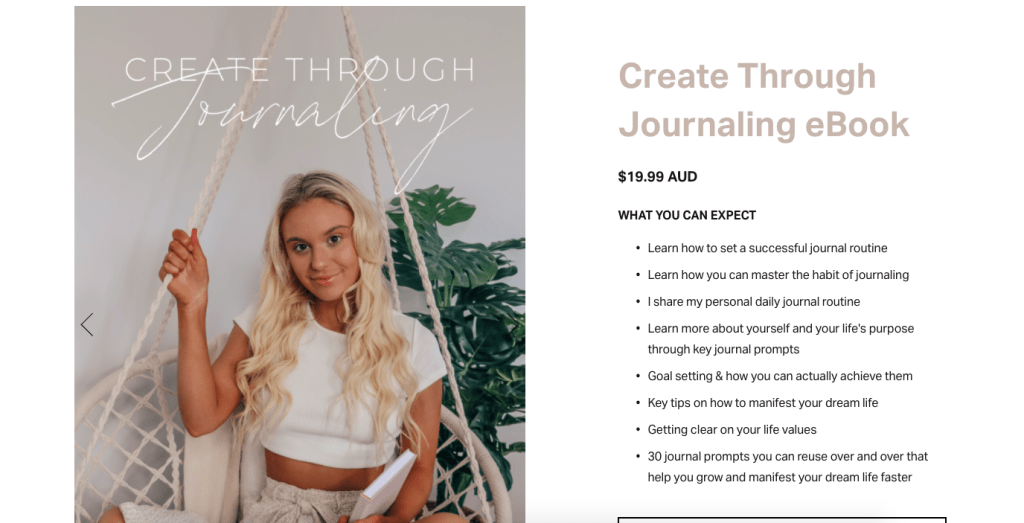
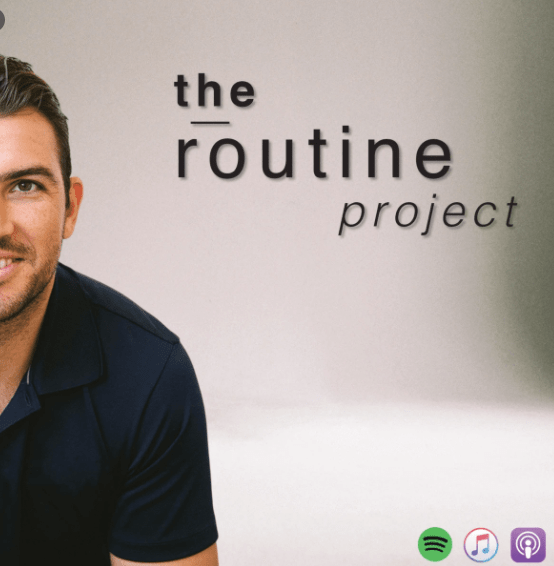
I intend to explore this in detail through extensive primary and secondary research. Instead of just finding articles and blogs about the benefits of journaling – which I will do – I will also begin to regularly journal and see where my journaling journey takes me. I have stumbled across a business named The Routine, who promotes healthy mental wellbeing. I intend to follow their ‘Questions for Myself’ journal and see if it benefits me in any way. Journaling may not be for everyone, but I feel it is relevant as it is something so simple and small that seems to have a large positive impact on self-care.

Therefore, my personal media niche is lifestyle and promoting a healthy living style.

Stay True, R.

[Edit 03 September 2020 below]

References

Watson, R, 2020, ‘Journaling for Mental Health’, viewed 5th August 2020, < https://www.urmc.rochester.edu/encyclopedia/content.aspx?ContentID=4552&ContentTypeID=1 >

Ackerman, C, 2020, ’83 Benefits of Journaling for Depression, Anxiety and Stress’ viewed 5th August 2020, < https://positivepsychology.com/benefits-of-journaling/ >

Leo, 2018, ‘The 17 Different Types of Journals That Will Keep Your Life Organised’, viewed 5th August 2020, < https://www.jofelo.com/17-different-types-of-journals-to-keep/ >

Phelan, H, 2018, ‘What’s All This About Journaling?’, viewed 5th August 2020, < https://www.nytimes.com/2018/10/25/style/journaling-benefits.html >